
When it comes to cooking and adding flavor to dishes, there are countless ingredients and spices to choose from. From herbs and spices to oils and sauces, the possibilities seem endless. One such ingredient that has been used for centuries in various cuisines is white sesame seeds. These tiny seeds pack a punch of flavor and are a staple in many dishes, making them an essential ingredient in any kitchen. In this blog, we will take a closer look at the culinary uses of white sesame seeds and how they can elevate your cooking to the next level.
What are White Sesame Seeds?
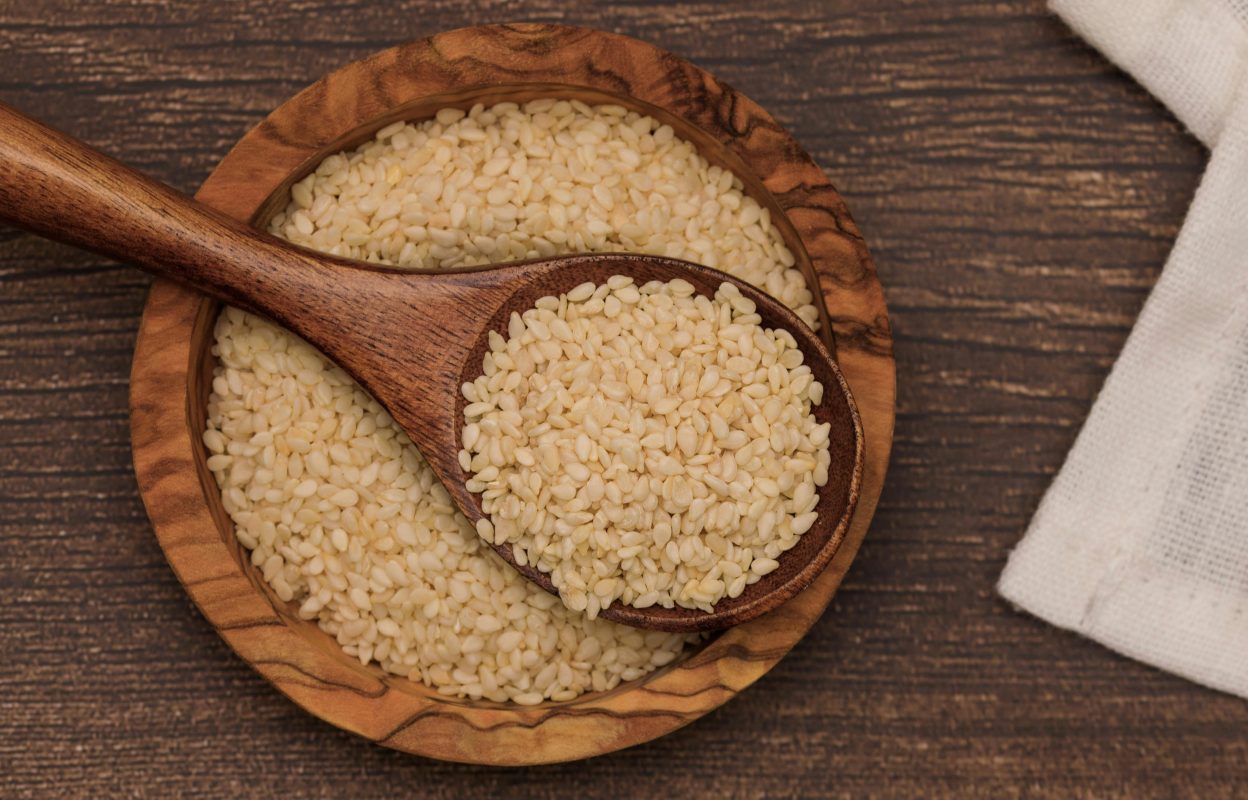
White sesame seeds are the tiny, oval-shaped seeds that come from the sesame plant (Sesamum indicum). They have a slightly nutty and earthy flavor and are commonly used in Asian and Middle Eastern cuisines. These seeds are highly nutritious, rich in healthy fats, protein, fiber, and various vitamins and minerals.
Culinary Uses of White Sesame Seeds
1. Roasted Sesame Seeds
One of the most popular ways to use white sesame seeds in cooking is by roasting them. This brings out their nutty flavor and adds a delicious crunch to any dish. To roast sesame seeds, simply heat a dry pan over medium heat and add the seeds. Stir them constantly for about 2-3 minutes until they turn golden brown. Be careful not to burn them as they can quickly go from perfectly roasted to burnt. Once done, let them cool before using them as a topping on salads, stir-fries, or even as a garnish on soups.
2. Sesame Oil
Sesame oil is extracted from white sesame seeds and is commonly used in Asian cuisine for its distinct flavor. It has a high smoke point, making it suitable for stir-frying, sautéing, and deep-frying. It adds a rich, nutty flavor to dishes and is often used in marinades, dressings, and sauces. You can also use sesame oil as a finishing oil to drizzle over dishes for an extra burst of flavor.
3. Tahini
Tahini is a paste made from ground white sesame seeds and is commonly used in Middle Eastern cuisine. It is a key ingredient in dishes like hummus, baba ghanoush, and falafel. To make tahini, simply blend roasted white sesame seeds with a little bit of oil until it forms a smooth paste. You can also add other ingredients like garlic or lemon juice for added flavor.
4. Sesame Seeds as a Breading
White sesame seeds can also be used as a breading for meats and vegetables. Mix them with breadcrumbs or panko to add a delicious crunch to dishes like chicken tenders or eggplant parmesan. You can also mix them with flour for a crispy coating on fried foods.
5. Sesame Brittle
Who said sesame seeds can only be used in savory dishes? Sesame brittle is a delicious and easy-to-make treat that combines the nutty flavor of white sesame seeds with sweet caramel. Simply melt sugar in a pan until it turns golden brown, then add roasted sesame seeds and mix well. Pour the mixture onto a greased baking sheet and let it cool. Once hardened, break it into pieces and enjoy as a snack or dessert.
6. Salad Topping
Adding white sesame seeds to your salads not only adds texture but also boosts their nutritional value. You can use them as they are or toast them for an extra pop of flavor. They pair well with leafy greens, crunchy vegetables, and even fruit salads.
7. Seasoning
White sesame seeds can be used as a seasoning for various dishes, adding an extra layer of flavor and texture. Sprinkle them on top of rice dishes or stir-fries, or mix them with salt and pepper to season grilled meats or roasted vegetables. You can also add them to your homemade spice blends for a unique twist.
Conclusion
White sesame seeds are a versatile and flavorful ingredient that can be used in a variety of ways in cooking. From roasting and grinding them into a paste to using them as a topping or seasoning, these tiny seeds pack a punch of flavor and nutrition. So next time you’re in the kitchen, don’t forget to incorporate white sesame seeds into your dishes for a delicious and healthy addition.
