
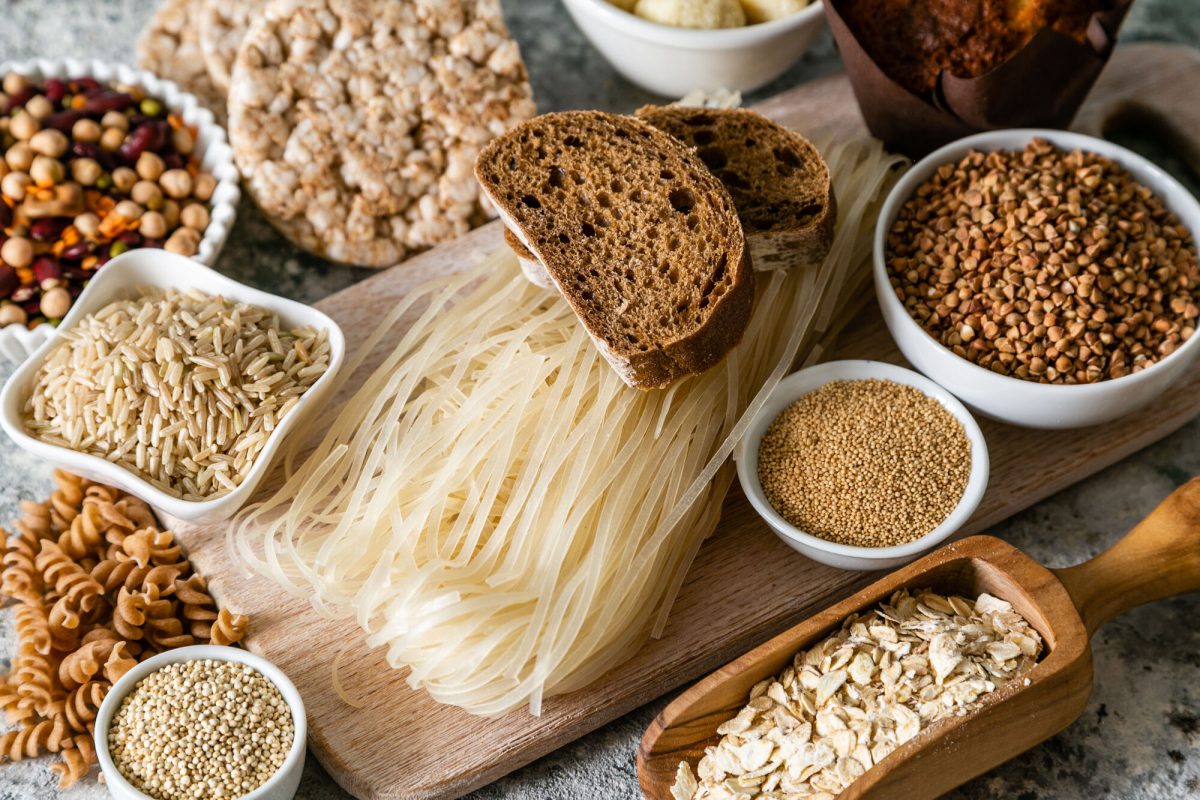
In recent years, gluten has become a buzzword in the health and wellness industry. From gluten-free diets to gluten-free labels on food products, it seems like everyone is talking about this seemingly mysterious ingredient. But what exactly is gluten, and why has it gained so much attention? In this blog, we will dive into the world of gluten, explore which foods it can be found in, and debunk some of the common myths surrounding it.
What is Gluten?
Gluten is a protein found in wheat, barley, and rye. It acts as a binding agent, giving dough its elasticity and helping it rise. This protein is made up of two smaller proteins: gliadin and glutenin. These proteins are responsible for the chewy texture of bread and the stretchiness of pizza dough.
While wheat, barley, and rye are the primary sources of gluten, it can also be found in other grains such as spelt, farro, and semolina. It is essential to note that not all grains contain gluten, such as rice, corn, and quinoa.
Foods that Contain Gluten
Gluten can be found in a wide variety of foods, from bread and pasta to soups and sauces. Here are some common foods that contain gluten:
1. Bread: This is one of the most well-known sources of gluten. Traditional bread made from wheat flour contains gluten.
2. Pasta: Noodles, spaghetti, macaroni – all these popular pasta dishes are made from wheat flour and contain gluten.
3. Baked Goods: Cakes, cookies, muffins, and other baked goods contain gluten as they are typically made from wheat flour.
4. Processed Foods: Many processed foods contain gluten as a thickening agent or as an added ingredient for flavor or texture. This includes sauces, dressings, soups, and even some pre-packaged meats.
5. Beer: Most beers are made from barley, which contains gluten. This means that beer contains gluten unless specifically labeled as gluten-free.
6. Cereals: Many breakfast cereals, such as granola and muesli, contain gluten as they are often made with wheat or barley.
7. Snack Foods: Chips, crackers, and other snack foods may also contain gluten as they are often made with wheat flour.
These are just a few examples of foods that contain gluten. It is always essential to read labels carefully and be aware of hidden sources of gluten in processed foods.
Debunking Common Myths about Gluten
With the rise of gluten-free diets and the growing popularity of gluten-free products, there are many misconceptions surrounding this protein. Let’s take a look at some of the common myths about gluten and debunk them:
Myth 1: Gluten-Free Diets are Healthier
One of the biggest myths surrounding gluten is that a gluten-free diet is inherently healthier. While a strict gluten-free diet is necessary for those who have celiac disease or a gluten sensitivity, it is not necessarily healthier for the general population.
In fact, many gluten-free products are highly processed and may contain more sugar and unhealthy fats than their gluten-containing counterparts. It is essential to focus on a well-rounded, balanced diet rather than eliminating one particular ingredient.
Myth 2: Gluten Causes Weight Gain
Some believe that consuming gluten leads to weight gain and cutting out gluten can result in weight loss. However, there is no scientific evidence to support this claim. Weight gain or loss is determined by overall calorie intake and energy expenditure, not the presence or absence of gluten in one’s diet.
Myth 3: Everyone Should Avoid Gluten
Another common misconception is that everyone should avoid gluten. This belief stems from the idea that modern wheat has been genetically modified and is now more harmful than in the past. However, there is no evidence to support this claim, and for most people, gluten is a harmless protein.
Myth 4: Gluten Intolerance is the Same as Celiac Disease
Celiac disease is an autoimmune disorder where the body’s immune system attacks the small intestine when gluten is consumed. Gluten intolerance, also known as non-celiac gluten sensitivity, is a condition where individuals experience negative symptoms after consuming gluten, but do not have celiac disease.
While both conditions involve a sensitivity to gluten, they are not the same. Celiac disease can have serious health consequences if left untreated, whereas gluten intolerance may cause discomfort but does not result in long-term damage to the body.
Myth 5: Gluten-Free Products are Always Healthy
As mentioned earlier, many gluten-free products are highly processed and may contain unhealthy ingredients. Just because a product is labeled as gluten-free does not automatically make it a healthier option. It is essential to read labels and choose whole, unprocessed foods whenever possible.
Conclusion
Gluten is a protein found in wheat, barley, and rye that gives dough its elasticity and helps it rise. It can be found in a variety of foods and is not necessarily unhealthy for everyone. While there are certain individuals who should avoid gluten due to celiac disease or gluten intolerance, for most people, there is no need to eliminate it from their diet.
It is crucial to understand the facts about gluten and not fall for common myths and misconceptions surrounding it. As with any dietary change, it is always best to consult with a healthcare professional before making significant changes to your diet. Remember, a balanced and varied diet is key to overall health and wellness. So don’t let the confusion around gluten impact your food choices – eat mindfully and enjoy your meals!
