
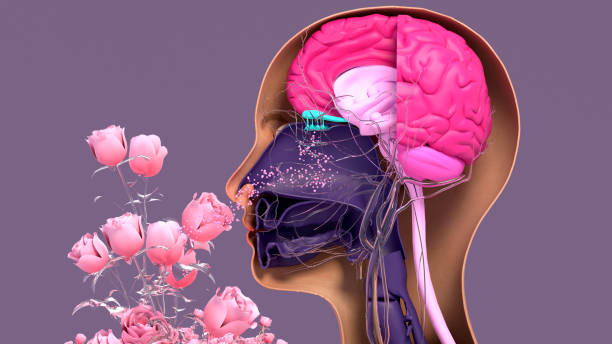
Taste is an essential part of our everyday life. It allows us to experience and enjoy the flavors of our favorite foods and drinks, as well as detect potential dangers in what we consume. But have you ever wondered how exactly we are able to taste? The answer lies in our gustatory receptors – a complex system that allows us to perceive the five basic tastes: sweet, sour, salty, bitter, and umami. Join me as we explore the fascinating world of gustatory receptors and learn about the different types that make our taste buds tick.
The Gustatory System:
Before diving into the specifics, let’s first understand how the gustatory system works. Our sense of taste is controlled by our taste buds which are located on our tongue, roof of the mouth, and throat. Each taste bud contains around 50 to 100 taste cells, which are responsible for detecting different tastes. These cells then send signals to the brain via nerves, allowing us to perceive taste.
Sweet Receptors:
One of the most commonly known gustatory receptors is the one responsible for detecting sweetness. These receptors are located on the tip of our tongues and are activated when we consume foods that contain sugar or artificial sweeteners. Interestingly, research has shown that these receptors not only respond to sweetness but can also detect other flavors such as bitterness and umami.
Sour Receptors:
Sourness is often associated with citrus fruits or sour candies. It is caused by an excess of hydrogen ions in a substance. When these ions come into contact with our taste buds, they activate the sour receptors located on the sides of our tongues. Interestingly, sourness can also trigger salivation and can even enhance the flavor of other foods we consume.
Salty Receptors:
Salt is an essential mineral that adds flavor to our food. Our salty receptors are located at the front and sides of our tongue and are activated when we consume sodium or other salts. These receptors play a crucial role in our body’s electrolyte balance and are responsible for our craving for salty foods.
Bitter Receptors:
Unlike the other tastes, bitterness is often associated with unpleasant flavors and can be a warning sign for potential toxins. Our bitter receptors are located at the back of our tongue and can also be found in the roof of our mouth and throat. These receptors are highly sensitive and can detect even small amounts of bitterness. Interestingly, research has shown that we are born with an aversion to bitterness as a survival mechanism to protect us from consuming potentially harmful substances.
Umami Receptors:
Umami, which translates to “pleasant savory taste” in Japanese, is often described as a meaty or savory flavor. It is caused by the presence of glutamate, an amino acid commonly found in foods such as meat, fish, and mushrooms. Our umami receptors are located on the middle of the tongue and are responsible for detecting this unique flavor.
