
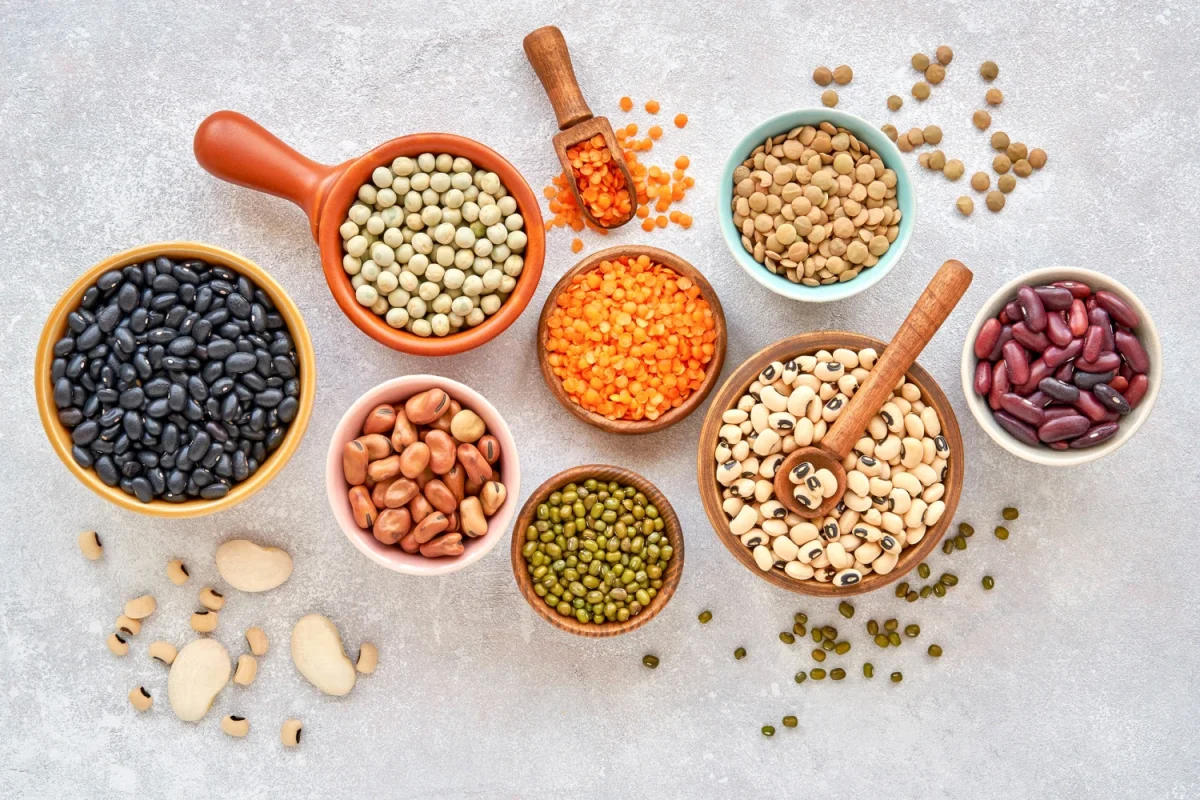
A legume refers to any plant from the Fabaceae family that would include its leaves, stems, and pods. A pulse is the edible seed from a legume plant. Legumes are a nutritious staple of diets around the world. They are an inexpensive source of protein, vitamins, complex carbohydrates, and fiber. From lentils to chickpeas to beans, legumes come in many forms and can be cooked in various ways, making them a popular choice for vegetarians and vegans. The purpose of this article is to explore the different types of legumes and their unique characteristics, so you can make informed choices about including them in your diet.
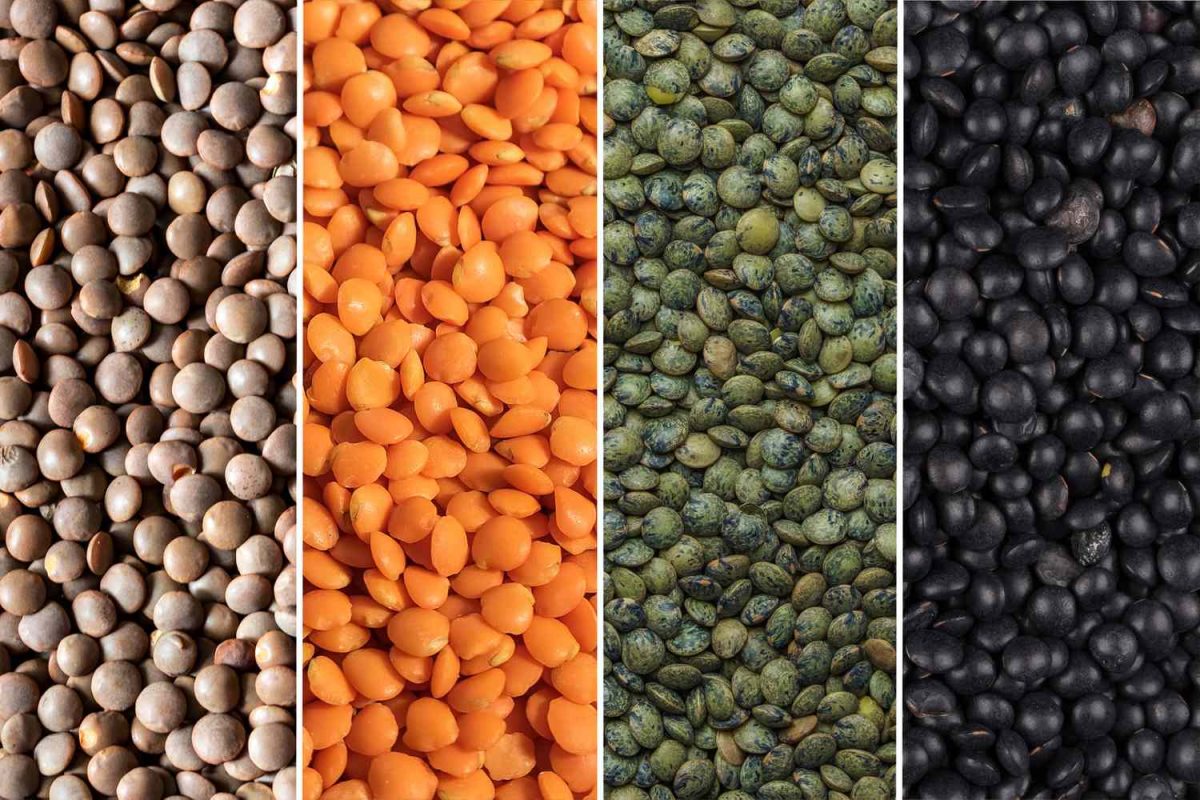
There are different types of legumes that are being produced in nature, such as Peanuts, Chickpeas, Beans, Peas, Lentils, and Lupins. Let’s discuss each of these in a detailed way.
Lentils:
Chickpeas:
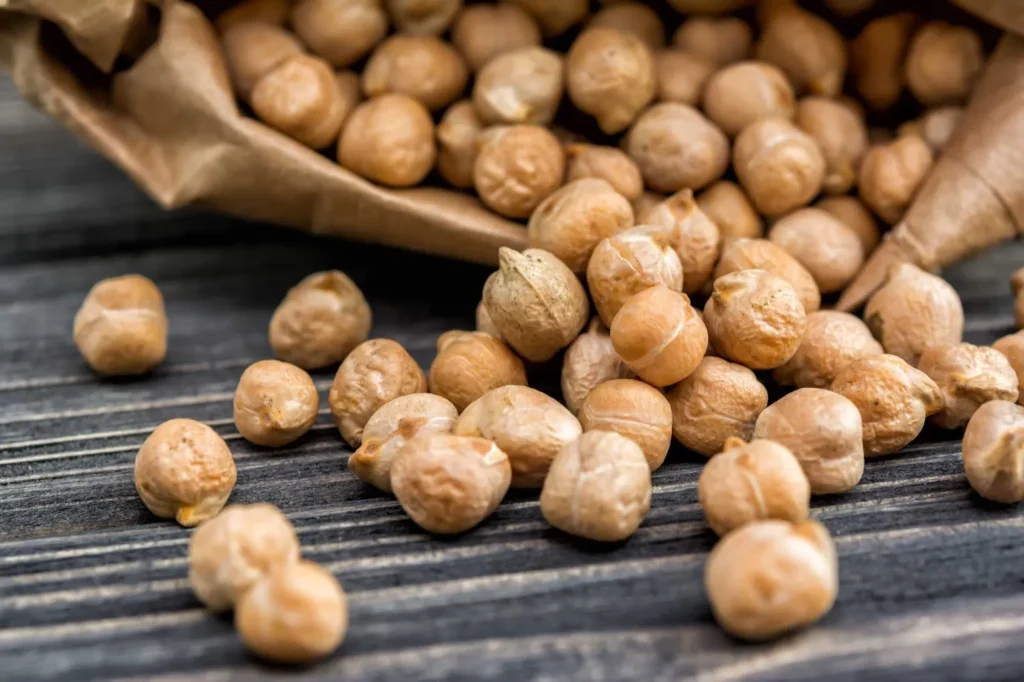
Chickpeas or garbanzo beans are nutrient-dense, protein-rich legumes. They are another type of legume that has been widely used in Mediterranean and Middle Eastern cuisines. They are round and beige in color with a buttery texture when cooked. Chickpeas are high in protein, fiber, and several vitamins and minerals such as folate, manganese, and phosphorus. They are commonly used to make hummus, falafels, and curries. The other variety of chickpeas are known as Kabuli chickpeas. These chickpeas are famous for their nutty flavour and are round in shape. Kabuli chickpeas are found in white and cream colours. Australia is one of the biggest exporters of chickpeas.
Beans:
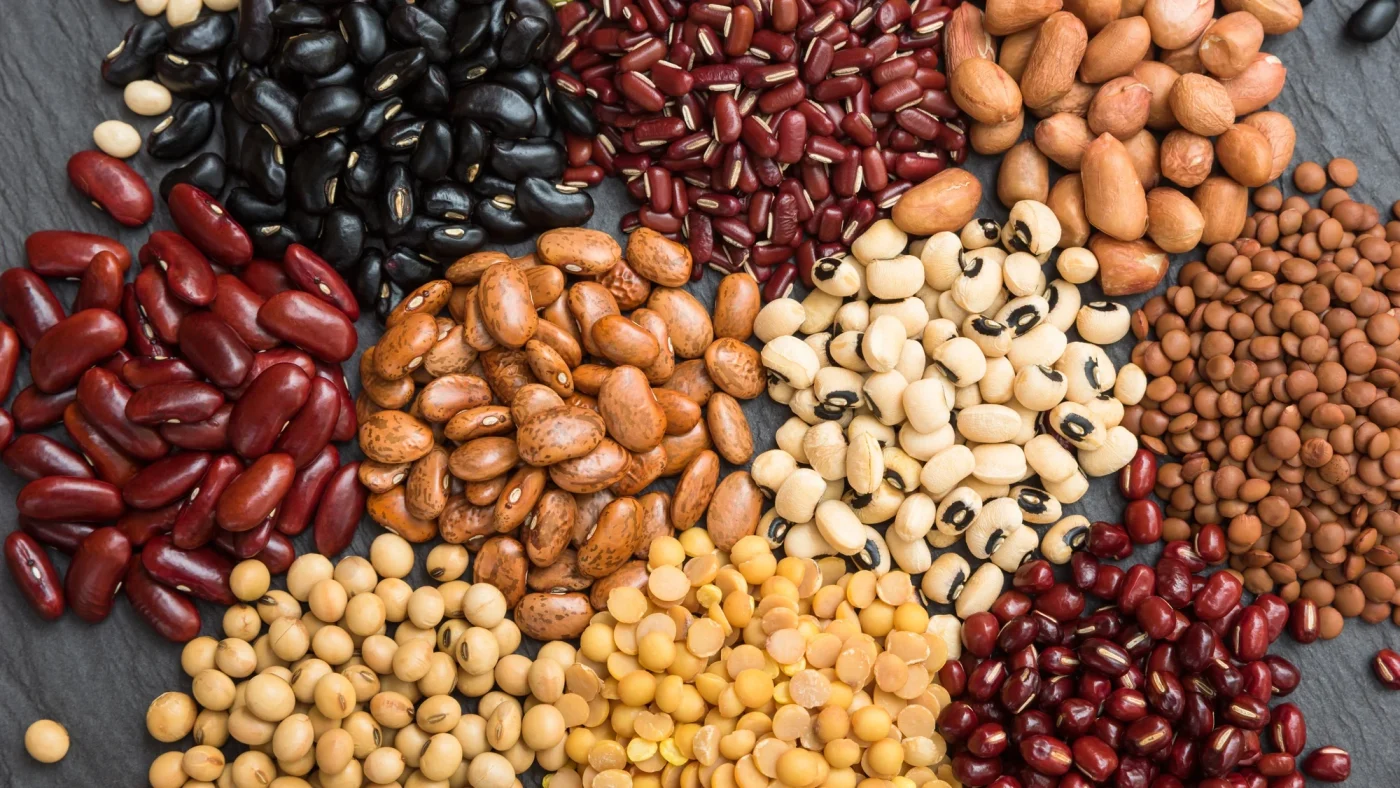
Beans are one of the most common types of legumes and highly nutritious, protein-rich edible seeds with over 40,000 varieties worldwide. They come in different sizes, shapes, and colors, including black, pinto, kidney, and navy beans. Beans are a great source of plant-based protein and are also rich in fiber, iron, and folate. They are a versatile ingredient that can be used in a variety of dishes, from chili to salads to dips. India has a rich diversity of beans. Key varieties include Rajma (kidney beans), Moong (green gram), Urad (black gram), Lobia (black-eyed peas), Toor (pigeon peas), Moth beans, and Soybean.
Peas:
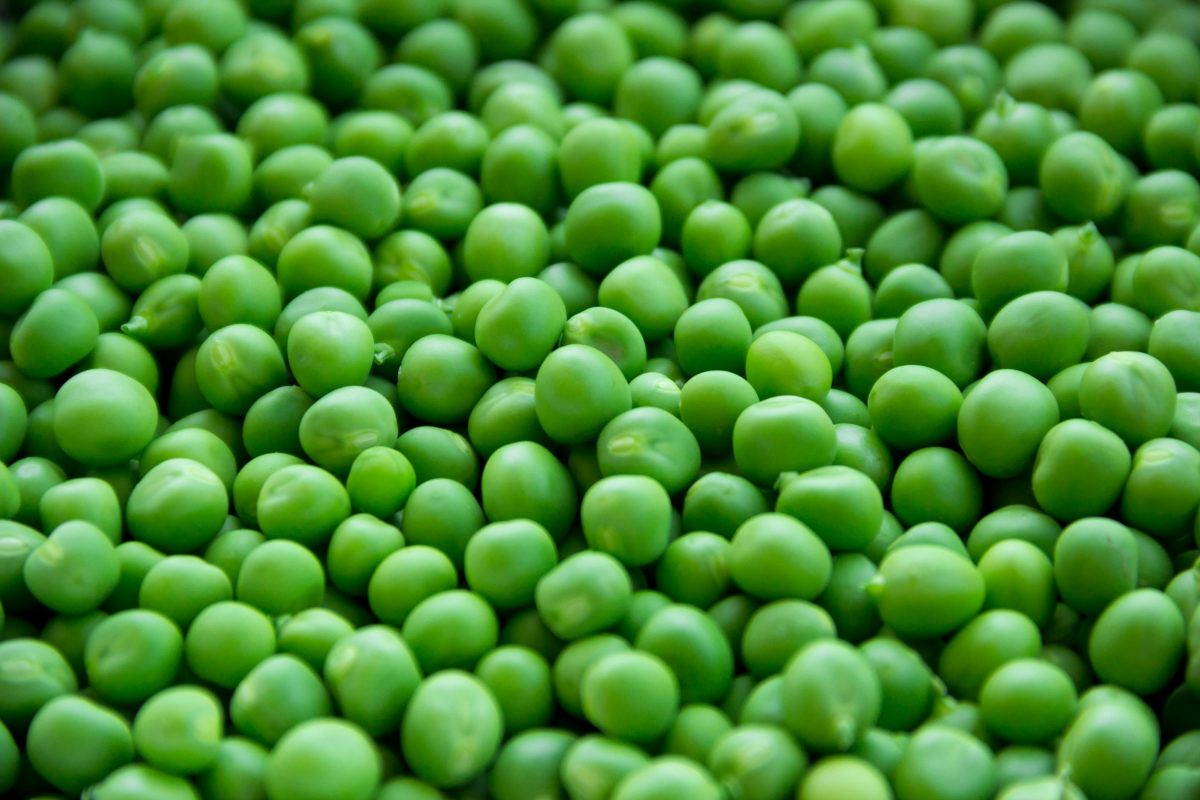
Peas are part of the plant family fabaceae, also known as the bean family or pulse family. Their beginnings trace back to the Middle East. Peas are a type of legume that is typically grown and consumed in their fresh or frozen form. They come in three main types: green peas, snow peas, and snap peas. Green peas are the most commonly consumed type and are high in protein, fiber, vitamin C, and vitamin K. They are a great addition to soups, stews, and salads. Snow peas and snap peas are often used in stir-fries and have a slightly sweeter taste compared to green peas. Garden peas are a major winter legume and vegetable crop in India, valued for high protein, vitamins, and minerals.
Soyabean:
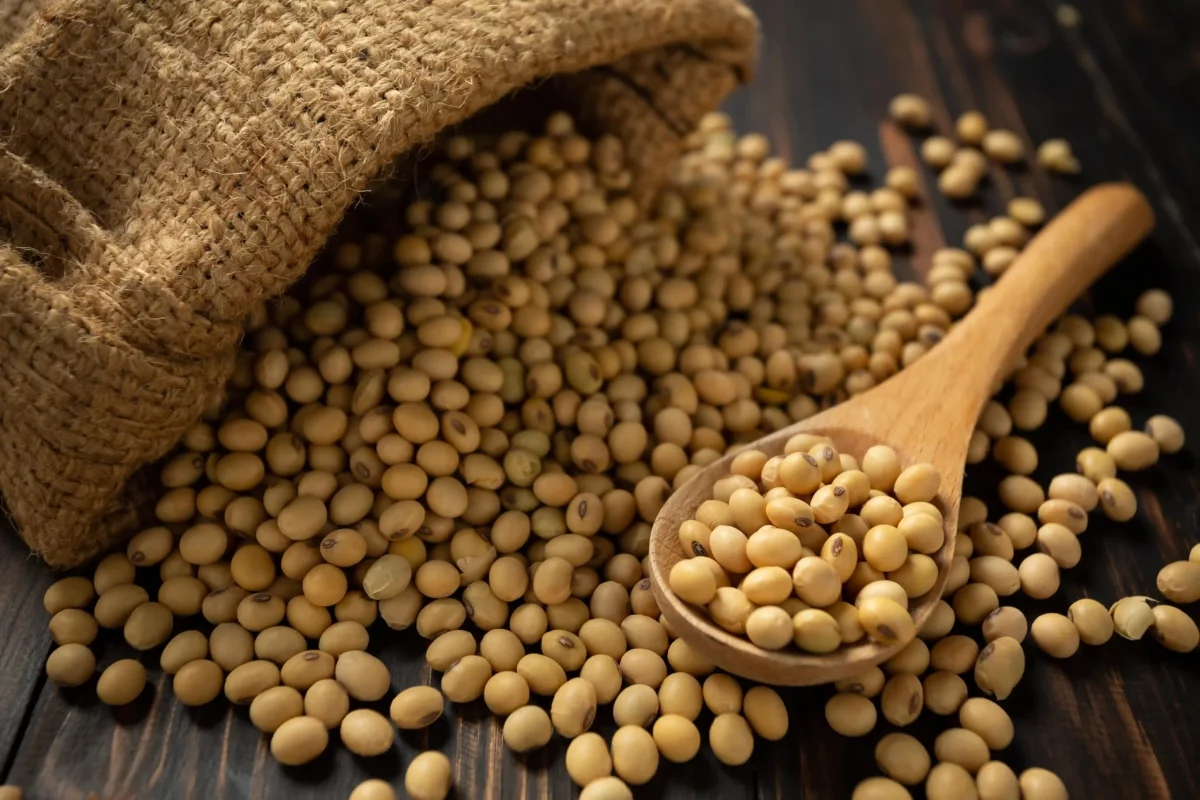
Soybeans are a type of legume that is native to East Asia but has gained popularity worldwide due to its high nutritional value. They are often processed into various forms such as tofu, soy milk, and tempeh. Soybeans are an excellent source of plant-based protein, iron, calcium, and omega-3 fatty acids. They have a mild flavor and can be used in dishes such as stir-fries, soups, and stews.
Peanuts:
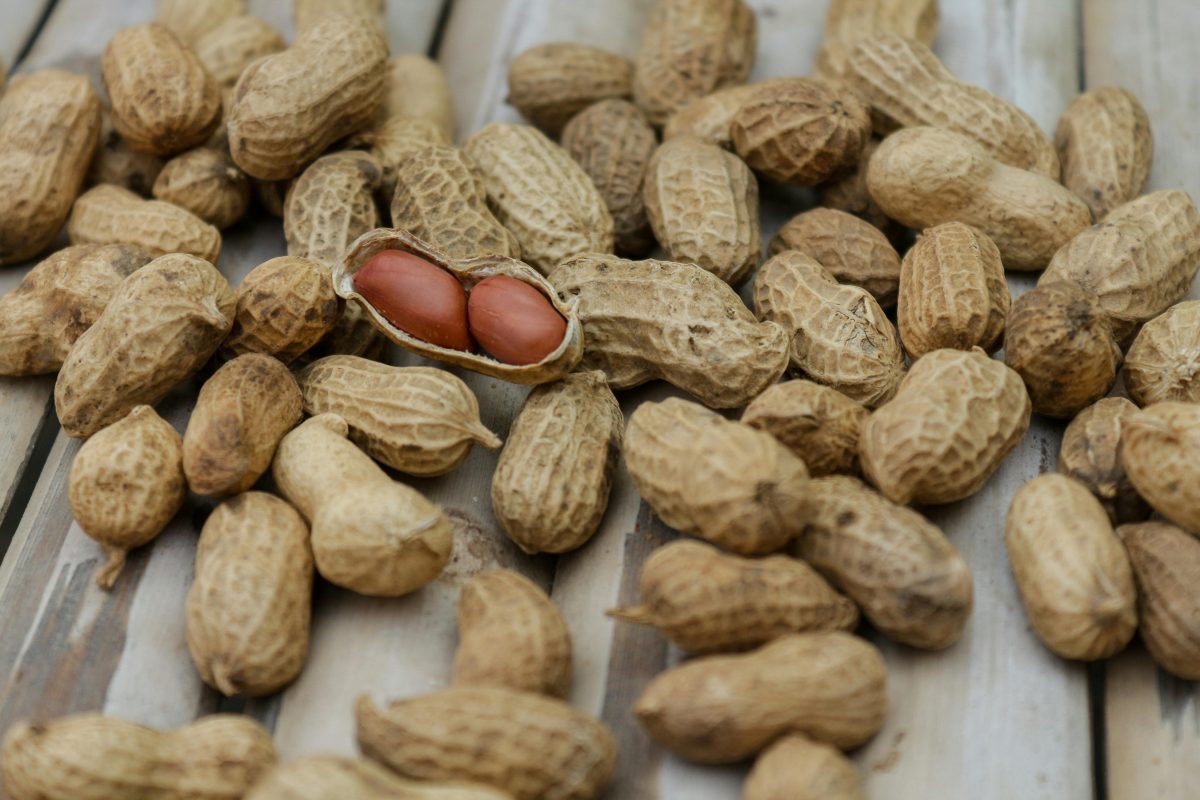
Peanuts are a type of legume that is familiar to many as they are commonly consumed as snacks or in the form of peanut butter. They are native to South America but are now widely cultivated around the world. Peanuts are rich in protein, healthy fats, and several vitamins and minerals like magnesium and phosphorus. They can be roasted or boiled and added to salads or used as a spread for sandwiches. They are staples in Indian cuisine, used roasted as snacks, fried in poha or pulihora (tamarind rice), ground into chutneys, or used in chikki (brittle).
Cowpeas:
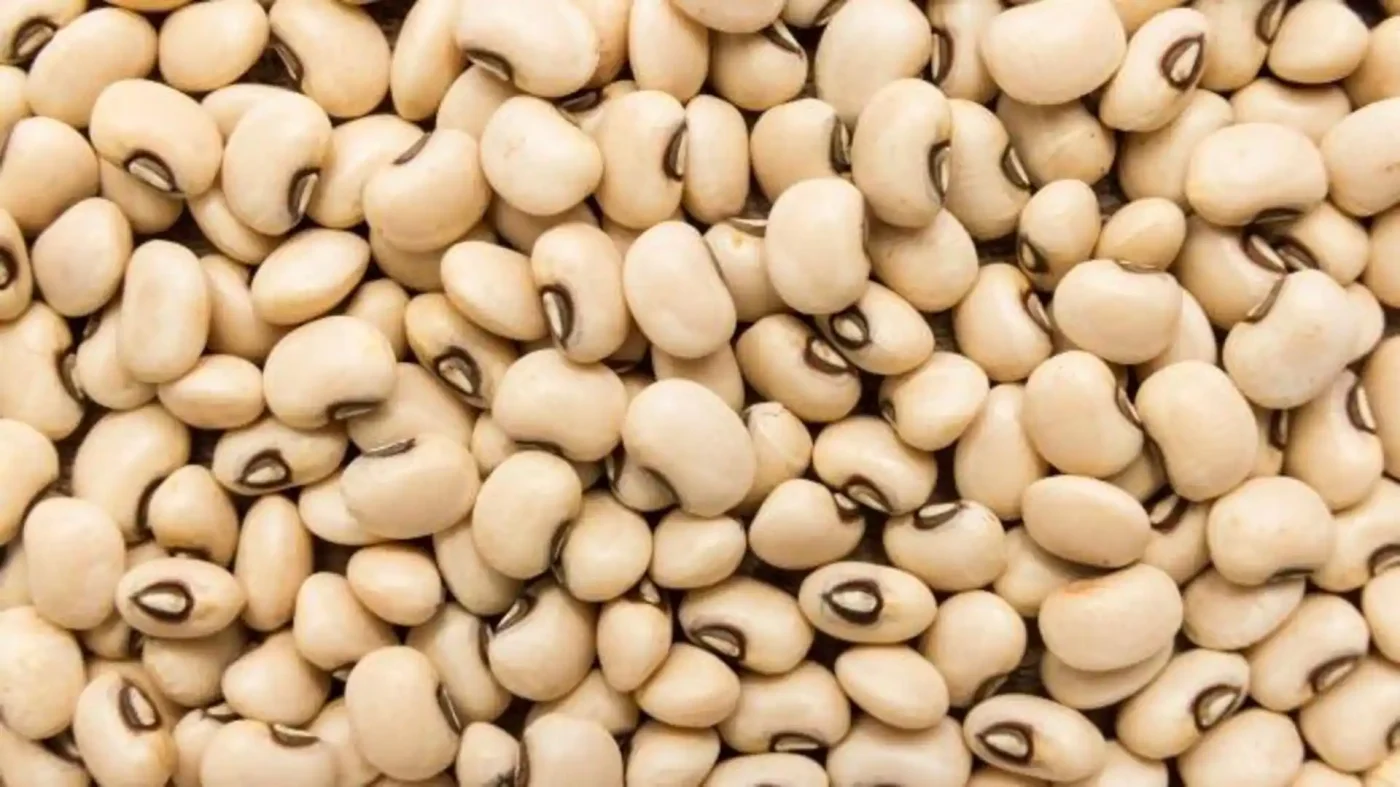
Cowpeas, also known as black-eyed peas, are a type of legume that is grown in the semi-arid tropics covering Africa, Asia, Europe, the United States, and Central and South America. They have a distinctive black spot on their white or light-colored skin and are a common ingredient in dishes like Hoppin’ John and gumbo. In India Cowpeas is known as lobia, chawli, or karamani. They are a nutritious, high-fiber, high-protein and rich in minerals like iron and potassium. Staple in Indian cooking, commonly used in curries, stir-fries, and salads. They are often paired with coconut, onion, and spices, or cooked in a tomato-based gravy to serve with rice or roti.
Lima Beans:
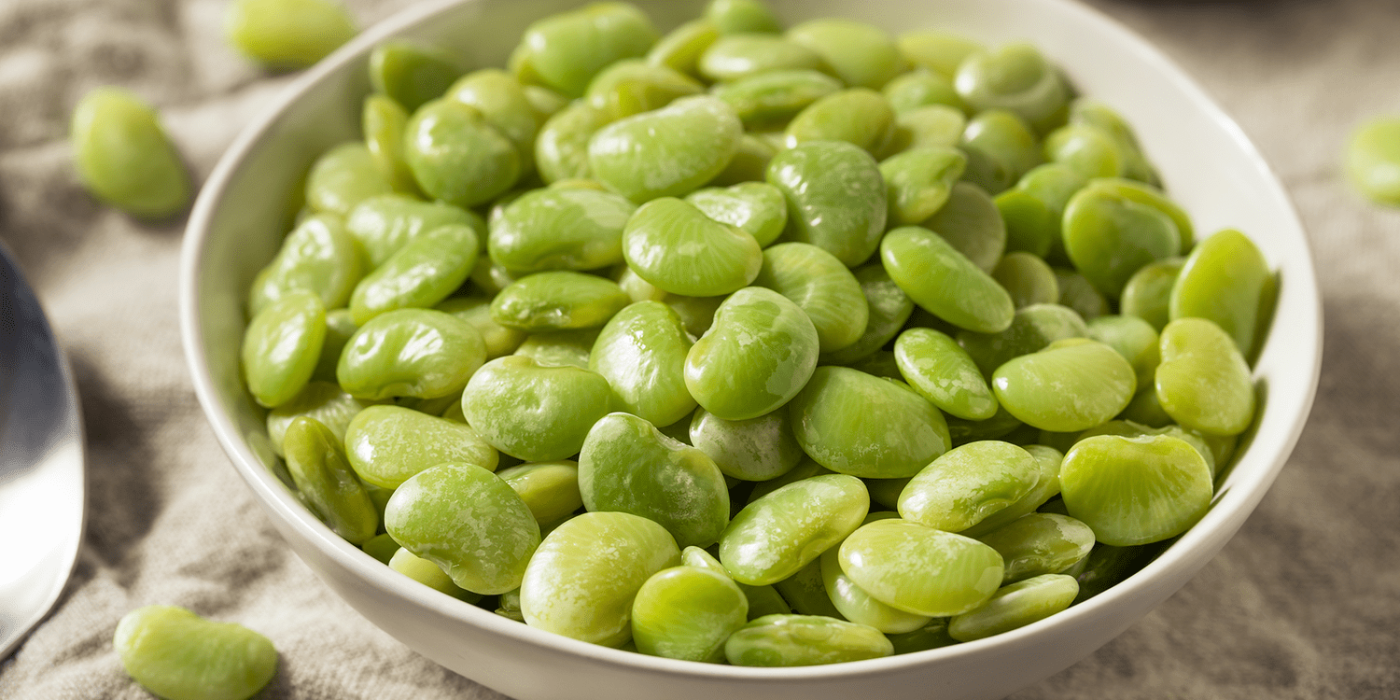
Lima beans, often called butter beans are large, flat legumes that have a creamy texture when cooked. They are named after Lima, the capital of Peru, where they were first cultivated. Lima beans are a great source of protein, fiber, and various vitamins and minerals such as thiamine and potassium. They are often used in soups, stews, casseroles and dals, providing a creamy texture and nutty flavor. Lima beans are known by several names in India, most commonly Sem Phali (Hindi), Vaal or Val (Gujarati/Marathi), and Mochai (Tamil).
Mung Beans:
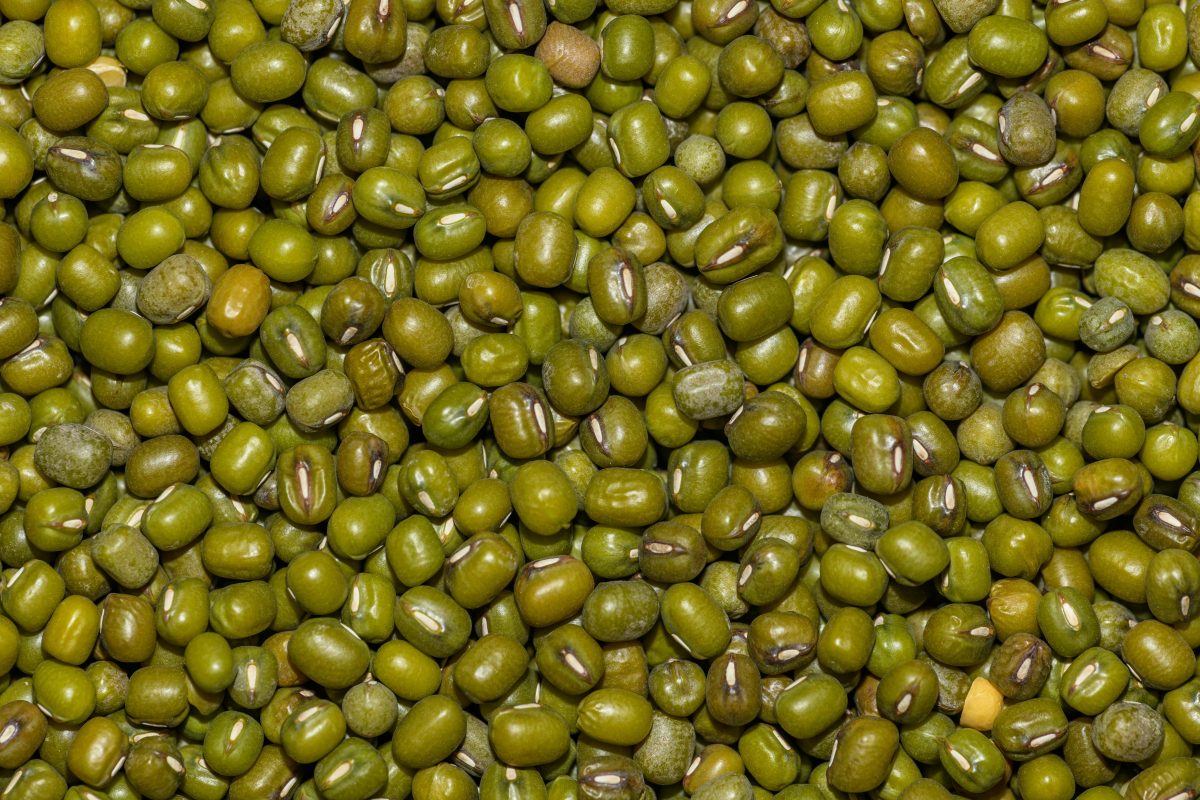
Mung beans are small green legumes that are commonly used in Asian cuisines. They are a highly nutritious and easily digestible. They have been consumed for thousands of years and are praised for their health benefits. Mung beans are rich in protein, fiber, antioxidants, and several vitamins and minerals like magnesium and potassium. They can be sprouted and added to salads or cooked into soups, curries, and stews. In Indian cooking mung beans are used in whole form or split, they are cooked into curries, soups, and dishes like khichdi.
To Sum Up
Legumes come in various sizes, shapes, colors, and textures, but they all have one thing in common – they are nutritious superfoods that offer numerous health benefits. Including a variety of legumes in your diet can help you meet your daily protein needs without relying on meat sources. They are also an excellent source of fiber, which can aid in digestion and keep you feeling full for longer. So next time you’re at the grocery store or farmer’s market, be sure to pick up a few different types of legumes and experiment with them in your cooking. Your taste buds and your health will thank you!
