
In today’s fast-paced world, people are constantly on the go and often prioritize their work and other responsibilities over their health. In the midst of our busy lives, we often neglect the importance of maintaining a healthy lifestyle. However, it is important to realize that our health and nutrition play a crucial role in our overall well-being. In this blog, we will discuss the importance of health and nutrition in our lives and how it impacts our physical, mental, and emotional well-being.
First and foremost, let’s define what health and nutrition mean. Health is a state of physical, mental, and social well-being, while nutrition refers to the intake of food necessary for good health. Our bodies require certain nutrients to function properly, and a lack of these nutrients can lead to various health problems. Therefore, maintaining a balanced diet is crucial for our overall health and well-being.
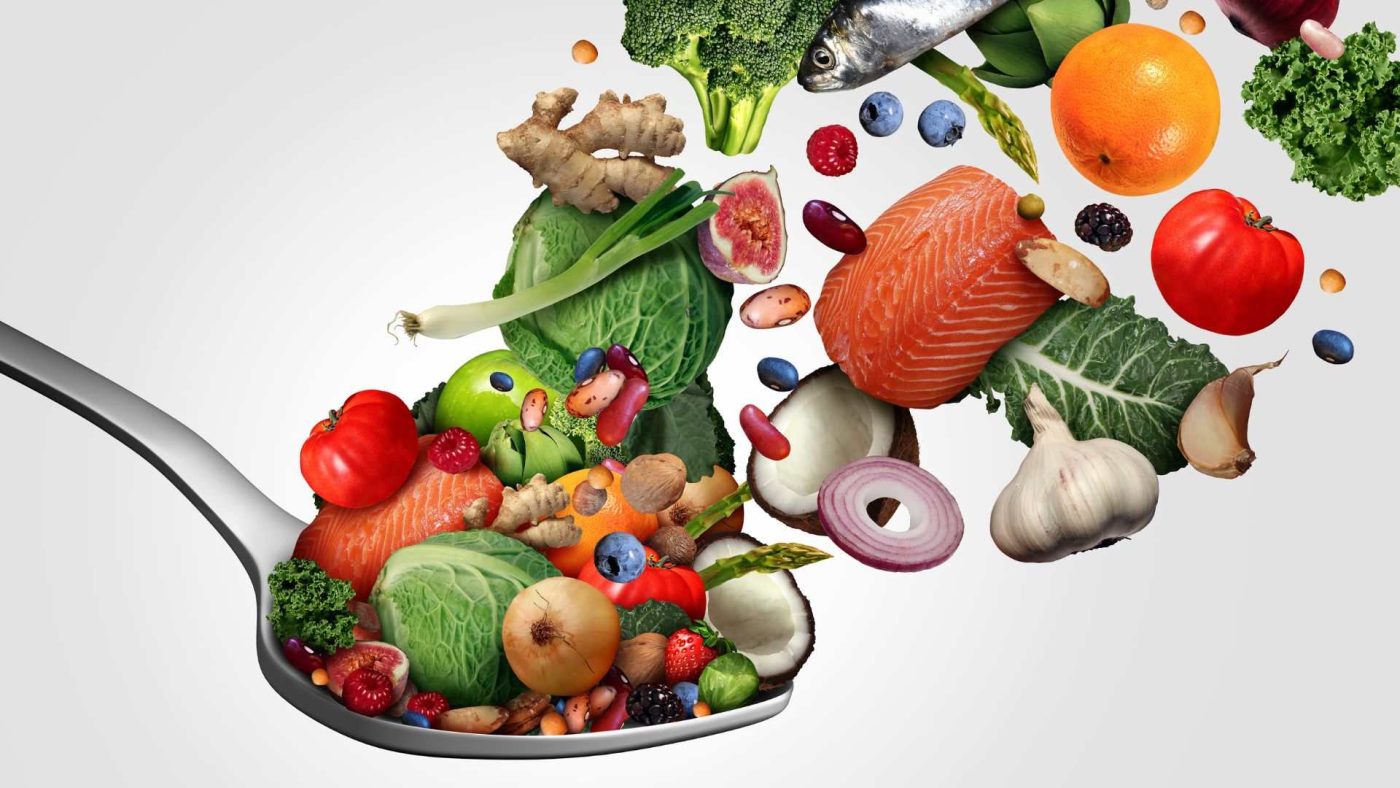
Proper nutrition is essential for maintaining a healthy body weight, preventing chronic diseases such as heart disease and diabetes, and promoting overall good health. A diet rich in fruits, vegetables, whole grains, lean proteins, and healthy fats provides our bodies with the necessary vitamins, minerals, and other essential nutrients. These nutrients help boost our immune system, improve our energy levels, and keep our organs functioning properly.
Moreover, a healthy diet is also linked to better mental health. Studies have shown that there is a direct connection between what we eat and how we feel. Eating a balanced diet can help improve mood and reduce symptoms of anxiety and depression. On the other hand, an unhealthy diet that includes processed foods high in sugar, salt, and unhealthy fats has been linked to an increased risk of depression.
Furthermore, proper nutrition plays a significant role in preventing chronic diseases. According to the World Health Organization (WHO), unhealthy diets are one of the leading risk factors for chronic diseases such as heart disease, diabetes, obesity, and some types of cancer. By incorporating a nutritious diet, we can significantly reduce the risk of developing these diseases and improve our overall health.
Apart from physical health, nutrition also plays a crucial role in maintaining good mental and emotional well-being. Our brains require essential nutrients to function optimally, and a deficiency in these nutrients can lead to mental health issues such as anxiety and depression. For example, omega-3 fatty acids found in fish have been linked to improved brain function and reduced symptoms of depression. Thus, it is crucial to include a variety of nutritious foods in our diet to support our mental health.
In addition to proper nutrition, engaging in regular physical activity is also essential for maintaining good health. Regular exercise not only helps us maintain a healthy weight but also improves our cardiovascular health, strengthens our muscles and bones, and boosts our mood. Exercise has been proven to reduce the risk of chronic diseases and improve overall quality of life. It is recommended to engage in at least 30 minutes of moderate exercise five times a week for optimal health benefits.
Along with proper nutrition and exercise, getting enough sleep is also crucial for our overall well-being. Sleep is essential for our bodies to repair and rejuvenate. It has a direct impact on our physical, mental, and emotional health. Lack of quality sleep can lead to increased stress levels, mood swings, decreased cognitive function, and an increased risk of chronic diseases. Getting 7-9 hours of sleep every night is recommended for adults to maintain good health.
In today’s world, where processed and unhealthy foods are easily available and often marketed as convenient options, it can be challenging to maintain a balanced diet. However, it is essential to understand that the foods we consume have a direct impact on our overall health and well-being. Making small changes in our daily diet can have significant long-term benefits for our health.
Here are some tips for maintaining a healthy diet:
1. Incorporate a variety of fruits and vegetables in your daily meals.
2. Choose whole grains over refined grains.
3. Limit the intake of processed and high-fat foods.
4. Include lean proteins such as fish, chicken, and plant-based sources like beans and tofu.
5. Drink plenty of water and limit sugary drinks.
6. Limit salt intake and opt for herbs and spices to add flavor to your meals.
7. Plan and prepare your meals to avoid relying on fast food or unhealthy options.
In conclusion, health and nutrition play a vital role in our lives and have a significant impact on our physical, mental, and emotional well-being. By maintaining a balanced diet, engaging in regular exercise, and getting adequate sleep, we can improve our overall health and reduce the risk of chronic diseases. It is essential to prioritize our health and make conscious choices towards a healthier lifestyle. Remember, a healthy body leads to a happy mind!
