
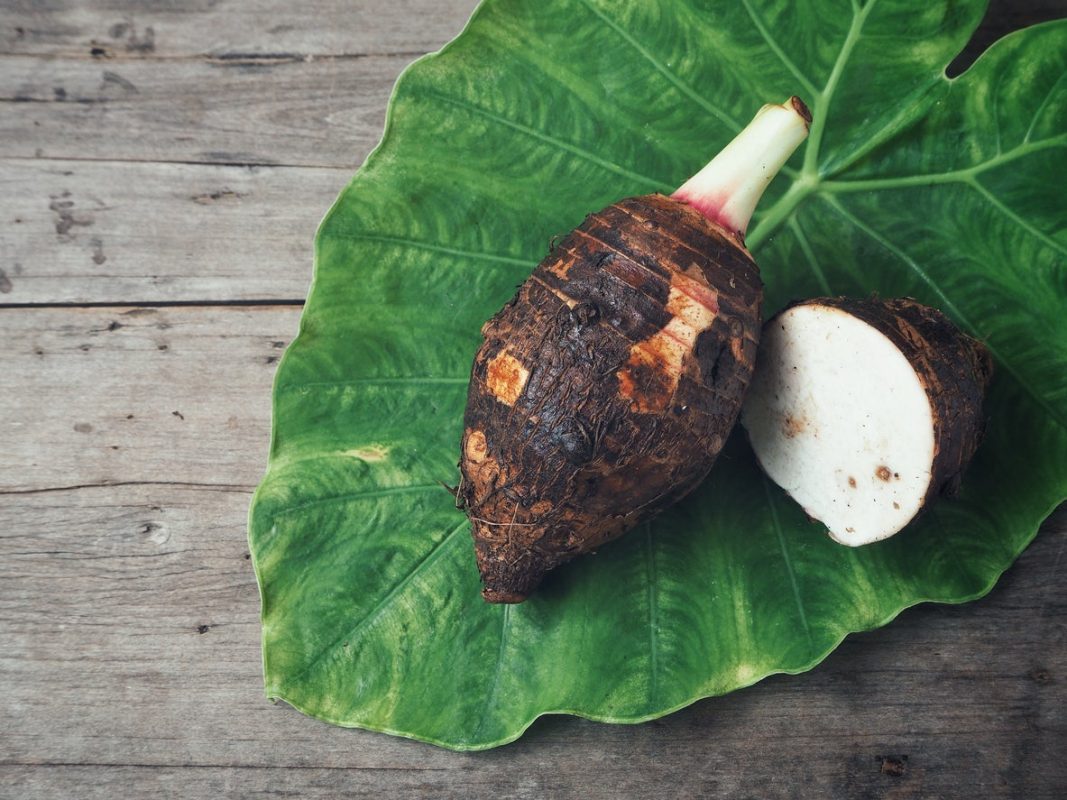
Taro, also known as Arbi or Colocasia esculenta, is a starchy root vegetable that has been a staple in many cultures for centuries. It is a staple ingredient in many Indian households and is used in a variety of dishes. The taro root has a starchy texture and a mild, nutty flavor that makes it versatile and easy to cook with. It is believed to have originated in Southeast Asia and spread to other parts of the world through trade and migration. Today, this versatile and nutritious root vegetable can be found in various cuisines around the globe, from traditional Hawaiian poi to Indian curries and African stews. In this blog, we will explore the fascinating world of taro and uncover its many health benefits.
Versatility in the Kitchen
One of the reasons why taro has been a staple food in many cultures is its versatility in the kitchen. It can be cooked in many different ways, making it suitable for various dishes and cuisines. Taro can be boiled, steamed, fried, or baked. It can also be mashed, pureed, or used as a flour substitute. This root vegetable can be eaten on its own as a savory side dish or incorporated into soups, stews, and curries. In Hawaii, taro is used to make poi, a traditional dish made by steaming and pounding the cooked root until it becomes a thick paste.
Nutritional Value
Aside from its versatility in cooking, taro is also packed with nutrients that make it a healthy addition to any diet. It is an excellent source of complex carbohydrates, which provide sustained energy without causing spikes in blood sugar levels. Taro also contains fiber, which aids in digestion and promotes a healthy gut. It is also rich in vitamins and minerals such as vitamin C, potassium, magnesium, and iron. These nutrients play a vital role in maintaining overall health and preventing diseases.
Health Benefits of Taro
1. Promotes Heart Health
Taro contains high levels of potassium, which is known to help regulate blood pressure and keep the heart healthy. Potassium works by counteracting the effects of sodium, which can lead to high blood pressure when consumed in excess. A diet rich in potassium has been linked to a lower risk of heart disease and stroke.
2. Boosts Immune System
Taro is an excellent source of vitamin C, a powerful antioxidant that helps boost the immune system. Vitamin C plays a crucial role in protecting the body against infections and diseases. It also aids in the production of collagen, a protein that is essential for maintaining healthy skin, hair, and nails.
3. Regulates Blood Sugar Levels
The complex carbohydrates in taro are digested slowly, which helps regulate blood sugar levels and prevents spikes and crashes. This makes taro a suitable food for people with diabetes or those trying to manage their blood sugar levels.
4. Prevents Anemia
Taro is an excellent source of iron, an essential mineral for the production of red blood cells. Iron deficiency can lead to anemia, a condition characterized by low levels of red blood cells, which can cause fatigue, weakness, and other health issues. Incorporating taro into your diet can help prevent iron deficiency and maintain healthy levels of red blood cells.
5. Supports Digestive Health
The fiber content in taro promotes healthy digestion by adding bulk to stool and preventing constipation. It also serves as food for beneficial bacteria in the gut, helping to maintain a healthy balance of gut flora.
6. Helps with Weight Management
Due to its low-calorie content and high fiber content, taro is an excellent food for those trying to lose or maintain weight. Fiber helps keep you feeling full for longer, reducing cravings and overeating. Taro can also be a healthier alternative to other starchy carbohydrates like potatoes.
Sum-up
Taro is a versatile and nutritious root vegetable that has been a staple in many cultures for centuries. In some regions of India, taro is also used to make chips or flour for rotis. Apart from being delicious, taro is also highly nutritious, containing high levels of dietary fiber, vitamins, and minerals like potassium and magnesium. Its versatility, taste, and nutritional value make taro an essential ingredient in the Indian kitchen. Its numerous health benefits make it an excellent addition to any diet, and its cultural significance adds an extra layer of appreciation for this humble plant. Whether you mash it, steam it, fry it, or bake it, taro is a delicious and nutritious ingredient that deserves a place in your kitchen. So next time you see taro at your local grocery store or farmer’s market, give it a try and explore the fascinating world of this versatile root vegetable.
