
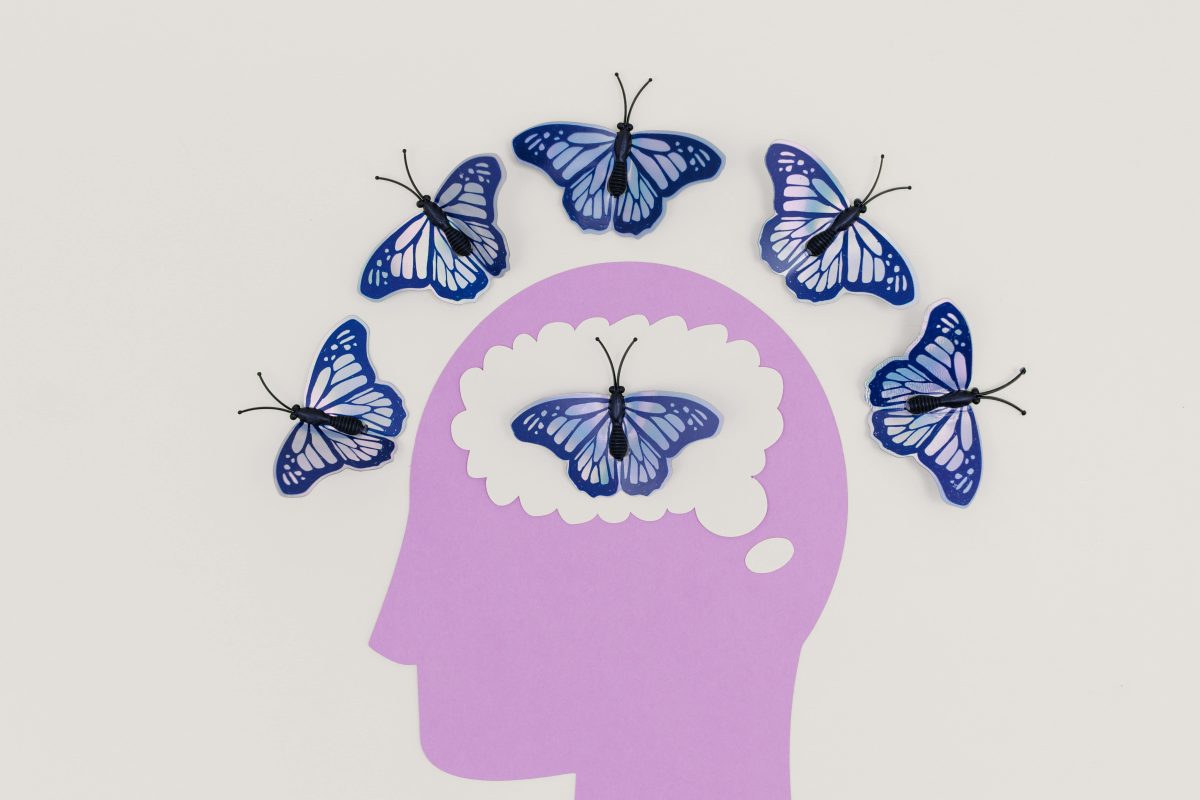
Our thoughts have a powerful impact on our behavior and emotions. They shape our perception of the world and influence our actions. However, sometimes our thoughts can be distorted. These distorted thoughts, known as cognitive distortions, can have a significant impact on our lives and lead to negative outcomes. They are often a result of past experiences or learned behaviors. In this blog, we will explore the power of cognitive distortions and how they can affect our thoughts, behavior, and overall well-being.
What are Cognitive Distortions
Cognitive distortions can have a powerful impact on our thoughts, behavior, and overall well-being. They can influence how we perceive ourselves, others, and the world around us. When we consistently engage in these distorted thoughts, they can become deeply ingrained in our thinking patterns and can have a long-lasting impact.
For example, someone who constantly engages in all-or-nothing thinking may feel like a failure even when they have achieved success in various areas of their life. This can lead to feelings of inadequacy and low self-esteem.
Similarly, someone who engages in catastrophic thinking may avoid taking risks or trying new things because they are constantly afraid of the worst-case scenario happening. This can limit their opportunities for growth and success.
In other scenario, if someone has been constantly criticized by their parents during childhood, they may develop the cognitive distortion of “mental filtering,” where they only focus on the negative aspects of themselves and filter out any positive feedback.
Cognitive distortions also have a significant impact on our emotions. When we engage in these distorted thoughts, we often experience negative emotions such as anxiety, depression, and anger. These emotions can then lead to unhealthy coping mechanisms such as overeating, substance abuse, or self-isolation.
Types of Cognitive Distortions
There are many types of cognitive distortions that can affect our thoughts and behaviors. Some common ones include:
1. All-or-Nothing Thinking:
This is when we see things in black and white categories, without considering any shades of gray. For example, someone may think, “If I’m not perfect at my job, then I’m a total failure.”
2. Overgeneralization:
This is when we take one negative experience and apply it to all aspects of our lives. For instance, if someone fails at one exam, they may think they are always going to fail at everything.
3. Mental Filtering:
This distortion involves focusing only on the negative aspects of a situation while ignoring any positive aspects. For example, someone may receive positive feedback from their boss, but they only focus on the one negative comment.
4. Personalization:
This is when we believe that everything others do or say is a direct reaction to us. For instance, if someone cancels plans with us, we may think it’s because they don’t like us.
5. Catastrophizing:
This is when we blow situations out of proportion and assume the worst-case scenario. For example, if someone’s partner is running late, they may assume they have been in an accident.
Ways To Overcome Cognitive Distortions
1. Identify the Distortion:
The first step in overcoming cognitive distortions is to become aware of them. Pay attention to your thoughts and try to identify any patterns of distorted thinking.
2. Challenge the Thought:
Once you have identified the distortion, challenge it by asking yourself questions such as, “Is this thought based on fact or my perception?” or “Am I taking one negative experience and applying it to everything?”
3. Look for Evidence:
Another way to challenge distorted thoughts is to look for evidence that supports or contradicts them. For instance, if you believe you are a failure, look for evidence of your successes in different areas of your life.
4. Practice Positive Self-Talk:
Replace distorted thoughts with more realistic and positive self-talk. For example, instead of saying, “I’m a complete failure,” say, “I may have failed in this one instance, but that doesn’t define my entire worth.”
5. Seek Professional Help:
If you are struggling with cognitive distortions and find it challenging to overcome them on your own, seek help from a mental health professional. They can provide you with the necessary tools and support to challenge and change these distorted thoughts.
