
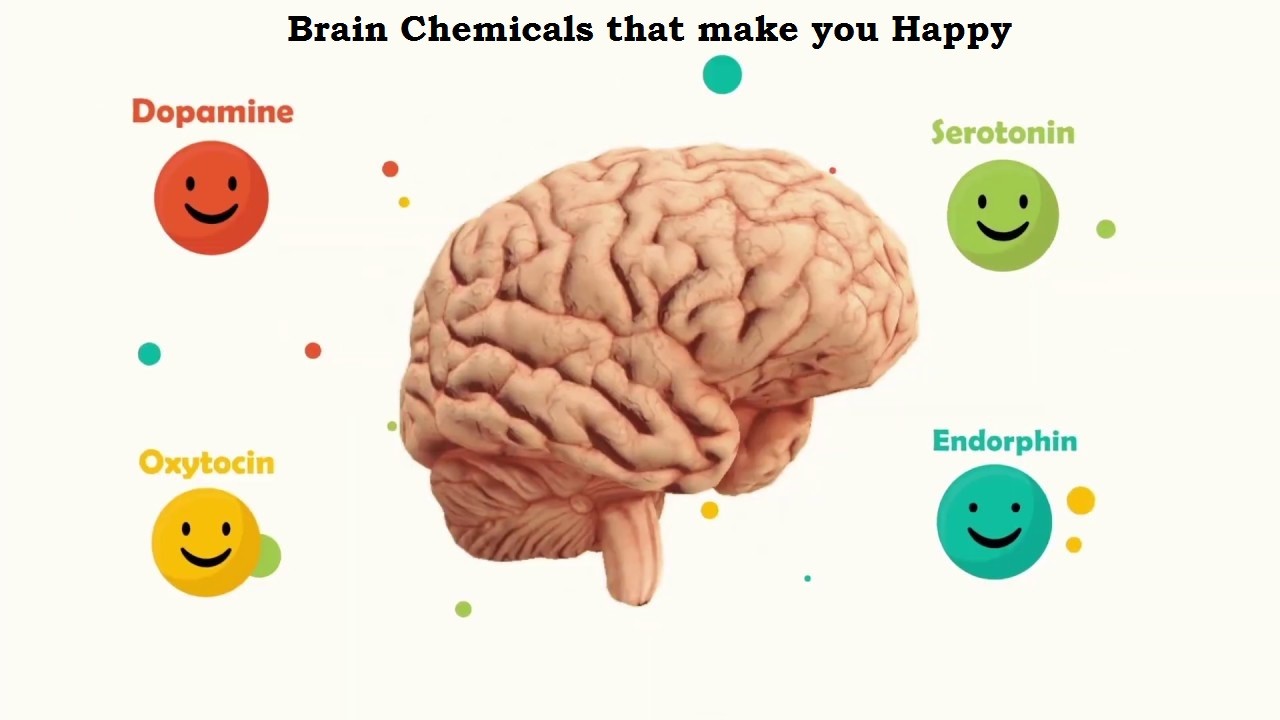
Happiness is a universal goal that we all strive for. We chase after it through various means, whether it’s achieving success, buying material possessions, or seeking validation from others. But have you ever stopped to wonder what actually makes us happy? The answer lies within our own body – in the form of four powerful chemicals known as dopamine, endorphins, serotonin, and oxytocin.
These four chemicals, also known as happy chemicals or neurotransmitters, play a crucial role in our overall well-being and happiness. They are responsible for regulating our emotions, moods, and reactions to different situations. In this blog, we will delve deeper into each of these chemicals and understand how they contribute to our happiness.
Dopamine
Dopamine is often referred to as the “reward” chemical. It is responsible for motivating us to take action towards our goals and desires. Whenever we experience pleasure or reward, such as eating delicious food or accomplishing a task, dopamine is released in our brain. This release creates a feeling of satisfaction and encourages us to repeat the behavior that caused it.
However, dopamine doesn’t just come from external rewards. It can also be triggered by internal factors such as setting and achieving personal goals. This is why setting achievable goals and working towards them can give us a sense of purpose and fulfillment.
Endorphins
Endorphins are our body’s natural painkillers. They are released in response to stress or discomfort and help alleviate physical pain. Have you ever felt a “runner’s high” after a strenuous workout? That feeling is due to the release of endorphins in your body.
But these endorphins do more than just reduce pain; they also give us a sense of euphoria and well-being. That’s why engaging in physical activities such as running, dancing, or playing a sport can make us feel happy and energized.
Serotonin
Serotonin is often referred to as the “happiness hormone.” It is responsible for regulating our mood, sleep, appetite, and social behavior. Low levels of serotonin are linked to depression, anxiety, and other mood disorders. On the other hand, high levels of serotonin can make us feel content, confident, and happy.
One of the main ways to boost serotonin levels is through exposure to sunlight. Spending time outdoors or in natural light can help regulate our body’s internal clock and increase serotonin production. Additionally, practicing gratitude, helping others, and engaging in activities that give us a sense of purpose can also boost serotonin levels.
Oxytocin
Oxytocin is often referred to as the “love hormone.” It is released during social bonding activities such as hugging, kissing, and physical touch. Oxytocin promotes feelings of trust, connection, and empathy towards others. It also plays a crucial role in maternal bonding between a mother and child.
Interestingly, oxytocin is not just limited to physical touch; it can also be released through positive social interactions. Smiling, laughing, and having meaningful conversations with loved ones can all trigger the release of oxytocin and make us feel happier.
